Understanding Types Of Shade Sail Materials
Shade sails have become one of the most practical and visually appealing ways to create outdoor comfort. Whether used for backyards, driveways, patios, or commercial spaces, the right fabric makes all the difference in terms of durability, protection, and day-to-day performance. While many people focus on the shape or size of the sail, the real decision lies in choosing a
shade sail material that suits your climate, the intended use and the look you want to achieve. From breathable mesh fabrics to heavy-duty waterproof structures, each option offers distinct advantages. Understanding these choices helps you create a shaded area that feels comfortable, looks balanced and lasts for years.
HDPE Shade Sails: The Go-To Choice for Breathable, Everyday Coverage
High-Density Polyethylene (HDPE) is widely used across residential and commercial projects because it combines strong UV protection with excellent airflow. This woven or knitted mesh structure allows heat to escape, keeping the shaded area noticeably cooler while still providing impressive sun protection. For many property owners, HDPE is the most versatile shade sail material because it performs well in warm climates, handles constant exposure and resists mould. It also adapts easily to different shapes, making it popular for irregular spaces or creative design layouts.
- Ideal for reducing heat build-up without blocking airflow.
- Provides strong UV protection while keeping shaded areas comfortable.
- Lightweight structure suits a wide range of custom fabrications.
When Waterproof Matters: PVC Shade Sails for All-Weather Protection
PVC shade fabric is the solution when you need sun protection and reliable rain coverage. Unlike breathable mesh, PVC has a solid, coated surface that prevents water from passing through. This makes it suitable for outdoor dining, walkways, or play areas where staying dry is essential. PVC installations require accurate tensioning and a properly angled design so water runs off cleanly. When fabricated correctly, PVC sails provide long-term resistance to cracking, shrinking, and fading, ensuring consistent performance in high-rainfall locations.
- Fully waterproof coverage suitable for all-weather outdoor zones.
- Strong structural stability ideal for larger tensioned installations.
- Smooth surface makes cleaning quick and straightforward.
Acrylic Shade Fabrics for Vibrant Colour and Long-Lasting Style
Acrylic shade fabrics offer a combination of durability, sun protection and striking visual appeal. These fabrics are known for retaining their colour exceptionally well, making them ideal for homeowners wanting shade sails that act as a design feature rather than just a practical structure. Acrylic has a solid, woven texture that feels refined and suits patios, pool areas and outdoor entertaining spaces. While not as breathable as HDPE, acrylic provides a balance of water resistance and UV stability without compromising on appearance.
- Strong colour retention makes acrylic ideal for vivid shade sail colours.
- Dense weave helps block heat and glare for comfortable outdoor use.
- Suitable for premium residential and commercial installations.
Choosing Shade Sail Colours That Enhance Your Space
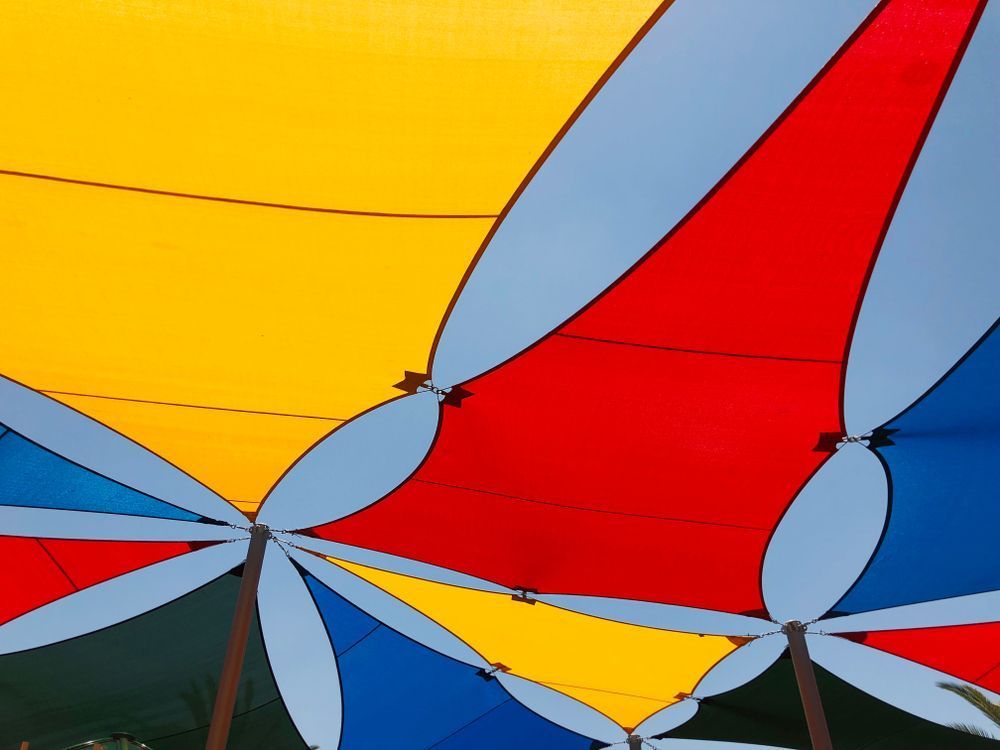
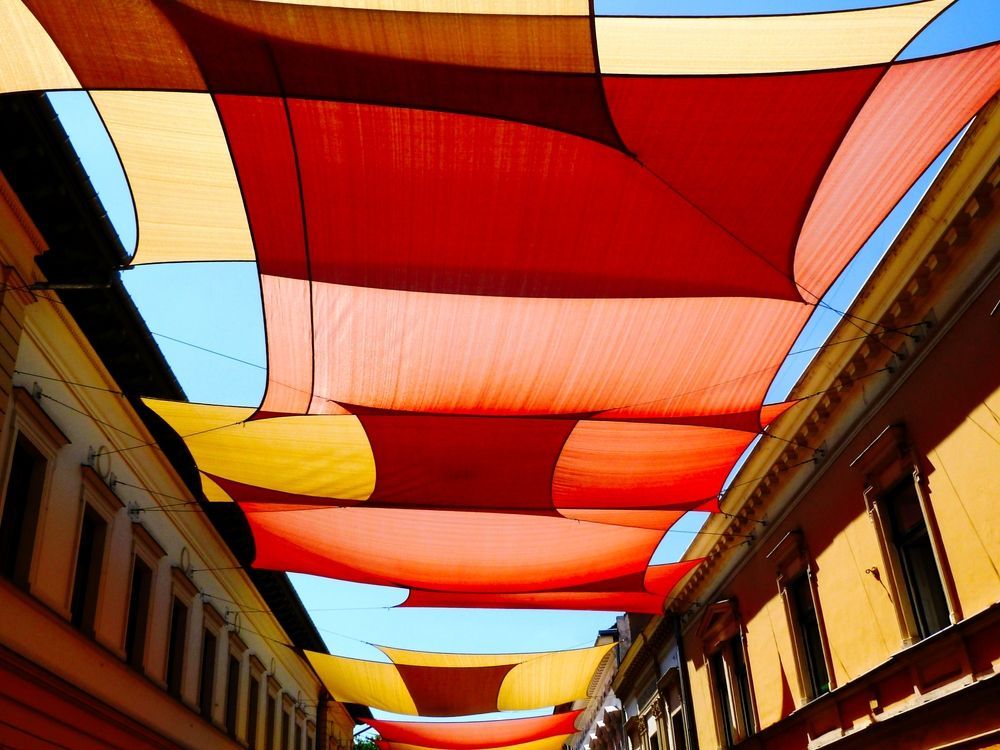
Colour selection plays a major role in the shade sail’s performance and overall appearance. Light shade sail colours help reflect heat, brighten dark outdoor areas and create an open, airy feel. Dark colours absorb more heat but often provide stronger shade and a modern aesthetic. The right colour also affects how the sail blends with the surrounding structures, garden features or fencing. Professional shade sail fabricators help match tones to complement the property and achieve visual balance.
- Light tones brighten spaces and reflect more heat.
- Dark tones create bold outlines and a strong presence of shade.
- Neutral palettes offer timeless appeal for most outdoor settings.
Understanding UV Ratings and What They Really Mean for Shade Sail Performance
UV ratings indicate how effectively a fabric blocks harmful ultraviolet rays. This is a crucial consideration when selecting shade sails in Coffs Harbour, where strong sunlight demands reliable protection. The UV rating reflects the fabric’s density, thickness and weave pattern. Higher-rated fabrics block more UV radiation, making them essential for play areas, poolside spaces and outdoor zones used frequently throughout the day. A higher UV rating does not necessarily mean a heavier fabric, but it does mean the fibres have been treated or engineered for long-term exposure.
- UV ratings help determine long-term protection for outdoor users.
- Appropriate for high-sun areas such as pools and playgrounds.
- Supports safer, more comfortable outdoor environments.
Why Fabric Weight and Tensioning Are Critical to Long-Term Durability
Fabric weight influences how a shade sail handles tension, wind load and daily weather exposure. Lighter fabrics, such as HDPE, are easy to tension and are suitable for smaller or residential installations. Heavier materials, such as PVC, require stronger anchor points and more precise tensioning to prevent sagging or pooling. Professional installation is essential for achieving the correct tension across all fabric types. Proper tensioning extends the fabric’s lifespan, reduces strain on stitching and prevents structural damage.
- Correct tensioning supports stability and prevents fabric distortion.
- Heavier materials require reinforced structures for safe installation.
- Balanced tension adds to long-term weather resilience.
Maintenance Requirements: What Each Material Needs Over Time
Every shade sail material has different maintenance needs, but regular cleaning and inspection help extend the life of any outdoor structure. HDPE generally requires minimal upkeep—simple rinsing removes dust and debris. Acrylic may require occasional cleaning to maintain its vibrant colour. PVC benefits from routine washing to prevent surface build-up and maintain its waterproof qualities. A well-maintained shade sail also stays tighter, cleaner and more effective over time.
- Routine cleaning keeps colours bright and fabrics performing well.
- Periodic inspections help identify tension issues early.
- Proper maintenance helps maintain the structure and appearance.
Matching the Right Shade Sail Material to Your Environment and Lifestyle
The right material depends on how you use your outdoor space and what level of coverage you need. HDPE works for everyday shade where airflow is important. Acrylic suits homeowners wanting long-lasting colour and visual impact. PVC is ideal for areas needing rain protection. A professional shade sail fabricator can assess your property, consider surrounding structures and recommend a design that delivers the desired effect. This personalised approach ensures the final installation suits both your environment and lifestyle.
- Match breathable fabrics to hot, sunny outdoor zones.
- Choose waterproof materials for patios, dining areas or all-weather use.
- Balance style, maintenance and structural needs for the best long-term outcome.
We at John Wilson Canvas & Shade design, fabricate and install tailored shade solutions for homes and businesses across Coffs Harbour. Whether you need breathable mesh, striking acrylic or robust PVC options, our team helps you choose the right material for a durable, long-lasting installation. Explore custom shade sails today at https://www.jonwilsoncanvasandshade.com.au.