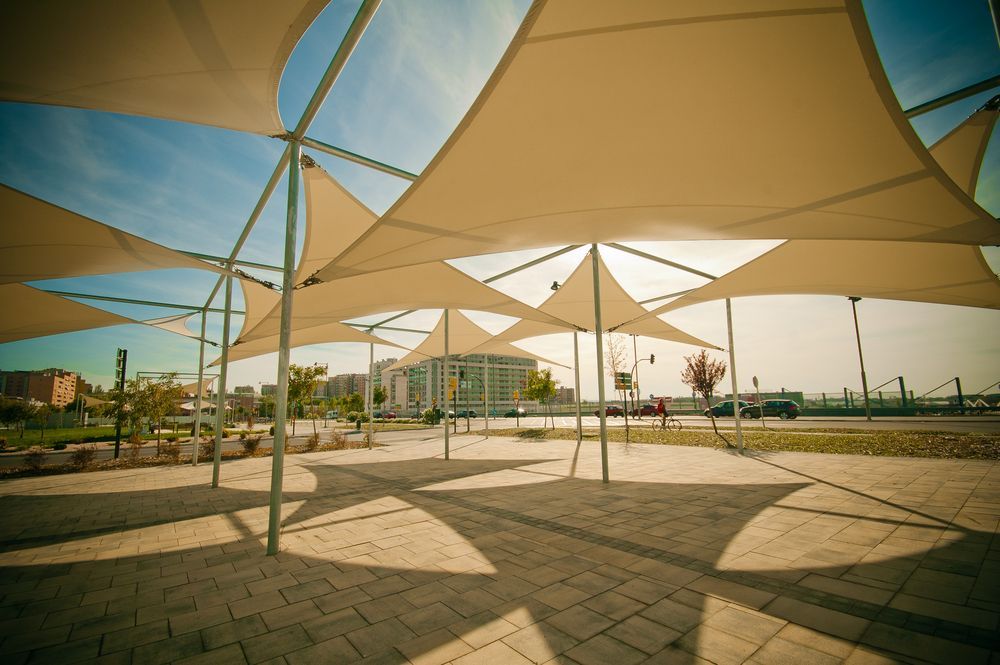
Professional Vs DIY Shade Sail Installation: What You Need To Know
A well-designed shade sail can turn a harsh outdoor area into a comfortable space you actually want to use. It can protect people, vehicles and outdoor furniture from sun and weather, while also adding visual appeal. When it comes time to install one, many property owners wonder if they should tackle it themselves or bring in a professional team. At first, a DIY shade sail might seem like a simple weekend project, but the reality is often more involved. Understanding the differences between DIY and professional installation helps you choose the approach that suits your property, budget and expectations.
Are DIY Shade Sails Really As Simple As They Look?
DIY shade sail kits are often advertised as ready to go, with everything you need in one box. In practice, getting a strong, neat and durable result takes more than a few basic tools. Every outdoor space is different, and small errors in measuring or fixing placement can create big issues once the sail is up.
Things DIY installers often underestimate include:

- Measuring the area accurately so the sail tension works as intended
- Finding suitable fixing points and aligning them at the correct heights
- Allowing for proper fall so water runs away rather than pooling
Without experience, it can be hard to judge how the sail will behave once it is fully tensioned, which is when many DIY installations start to show their limits.
The Design Difference, Custom Planning vs One Size Fits All
Professional shade specialists begin with the design, not the sail. They look at how the sun moves across your property, the height of existing structures and how people use the space. From there, they recommend shapes, sizes and post positions that maximise coverage without blocking access or views.
A custom-designed solution typically includes:
- On-site measuring to capture slopes, walls and existing structures
- Planning fixing points so the sail sits at the right angle for shade
- Considering water runoff off so rain does not pool in the fabric
Generic kits are built to suit average situations. If your space is narrow, irregular or exposed to strong winds, a custom plan is more likely to deliver shade that works the way you need it to, all year round.
Safety First, What Can Go Wrong With Incorrect Installation
Shade sails are under constant tension and are exposed to wind, rain and UV. If they are not installed correctly, they can become a safety risk. Loose or weak fixings may fail during rough weather, and undersized posts can move or lean over time.
Safety issues that can arise from poor installation include:

- Fixings pulling out of walls or fascia boards
- Posts moving because footings are too shallow or narrow
- Fabric tearing where the load is not spread correctly
Professional installers understand how loads move through the sail, fittings and posts, and they design the whole structure so it can cope with day-to-day conditions as well as unexpected storms.
Material Quality, Why Professional Grade Fabrics Matter
Not all shade fabrics are created equal. Many DIY kits use lighter materials that look good at first but may stretch, fade or tear much sooner than expected. Professional shade specialists usually work with commercial-grade fabrics that are engineered for long-term outdoor use.
Advantages of premium shade fabric include:
- High levels of UV protection to help shield people and surfaces
- Strong, stable yarns that resist stretching and thinning
- Quality stitching, edging and attachments that stand up to tension
Better fabric helps the sail hold its shape and colour, which means it not only looks better, it performs more reliably throughout its life.
Structural Integrity, Posts, Footings & Fixings Done Right
The hardware behind the sail is just as important as the fabric above your head. Posts need the right diameter, wall thickness and footing size, and any wall fixings must be secured into strong structural points, not just cladding or trim.
Key structural factors professionals consider include:

- Choosing posts that are strong enough for the span and height
- Setting footings at appropriate depth and width for the soil conditions
- Using quality stainless steel fixings and fittings for strength and durability
When these elements are handled correctly, the sail remains firm and stable, even when the weather is less than ideal.
Time, Tools & Know How, What DIY Really Demands
DIY projects can be satisfying, but they also require a realistic view of the time, effort and tools involved. Installing a shade sail usually means digging post holes, mixing concrete, setting posts accurately and tensioning the sail, often at height.
DIY installers often need to organise:
- Tools such as post hole diggers, concrete mixers and tensioning gear
- Extra help for lifting, aligning and holding posts or sails in place
- Multiple visits to the site as concrete sets and adjustments are made
In contrast, a professional team brings the tools, skills and extra hands needed to complete the job efficiently, which can be especially important on busy residential or commercial sites.
Long Term Costs, Repairs, Replacements & False Savings
At first glance, DIY shade sails can seem cheaper because the upfront price is lower. However, if the sail is the wrong size, installed poorly or made from lower quality materials, the long-term costs can rise quickly. You may find you need to replace the fabric sooner, fix leaning posts, or correct drainage problems that you did not anticipate.
Hidden costs that can appear over time include:
- Early fabric replacement due to fading, tearing or stretching
- Corrective work on posts or fixings that were not set correctly
- Extra maintenance to manage water pooling or sagging areas
A professionally designed and installed shade structure is built with longevity in mind, which means the investment is spread across many more years of reliable use.
Why Working With Experienced Shade Specialists Gives Peace of Mind
Choosing experienced shade specialists means you are not guessing about design, structure or materials. You are drawing on years of practical knowledge about what works, what fails and how to get the best result for your site. From the initial consultation through to installation, you have guidance at every stage.
Benefits of working with a professional shade team include:
- Personalised advice on layout, style and practical performance
- A single point of contact from design through fabrication and installation
- Confidence that the structure is built to meet relevant standards
The result is a shade sail that looks good, feels secure and serves your property well across many seasons.
Talk to the Shade Sail Specialists in Port Macquarie
At Jon Wilson Canvas & Shade, we help property owners choose between DIY ideas and fully managed shade solutions by providing clear, practical advice based on experience. If you are weighing up Shade Sails Port Macquarie property owners can rely on, we can design, manufacture and install a custom shade structure that suits your space and how you use it. Visit https://www.jonwilsoncanvasandshade.com.au/ to learn more about our services, explore recent projects and organise a quote for your home, business, school or council site in and around Port Macquarie.