Shade Sails Vs Shade Structures: Which Is Right For Your Space?
Choosing between shade sails Coffs Harbour properties commonly use and a more permanent engineered shade structure comes down to the area you need to cover, how the space is used, your budget and the level of weather protection required. Shade sails offer flexible, attractive coverage, while engineered structures are generally better suited to larger or more demanding permanent applications.
Neither option is automatically better. A residential pool area has very different requirements from a school playground or commercial carpark, so the right choice starts with understanding how shade sails and shade structures differ.
What's The Difference Between Shade Sails And Shade Structures?
The main difference between shade sails and shade structures is how they are designed and supported.
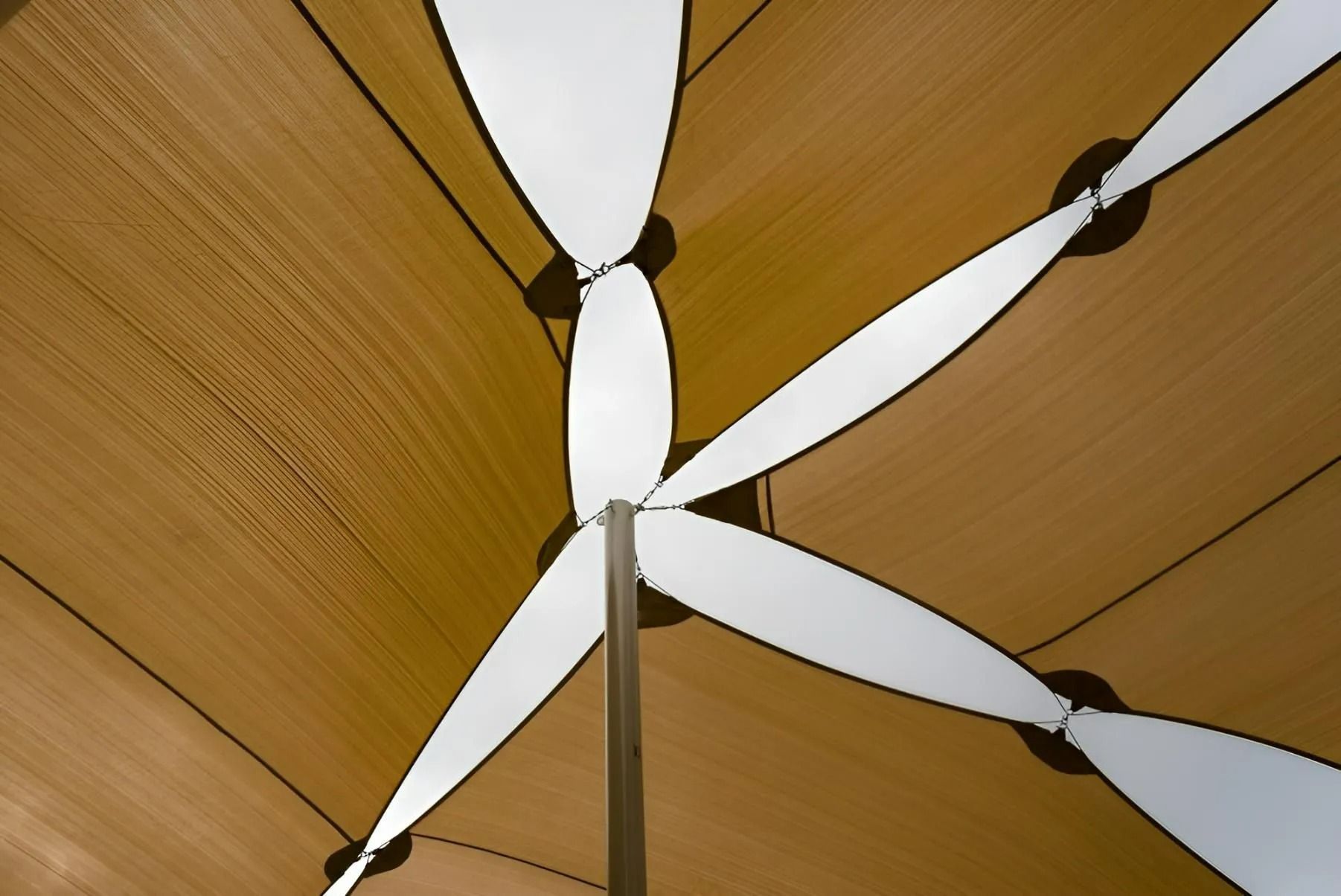
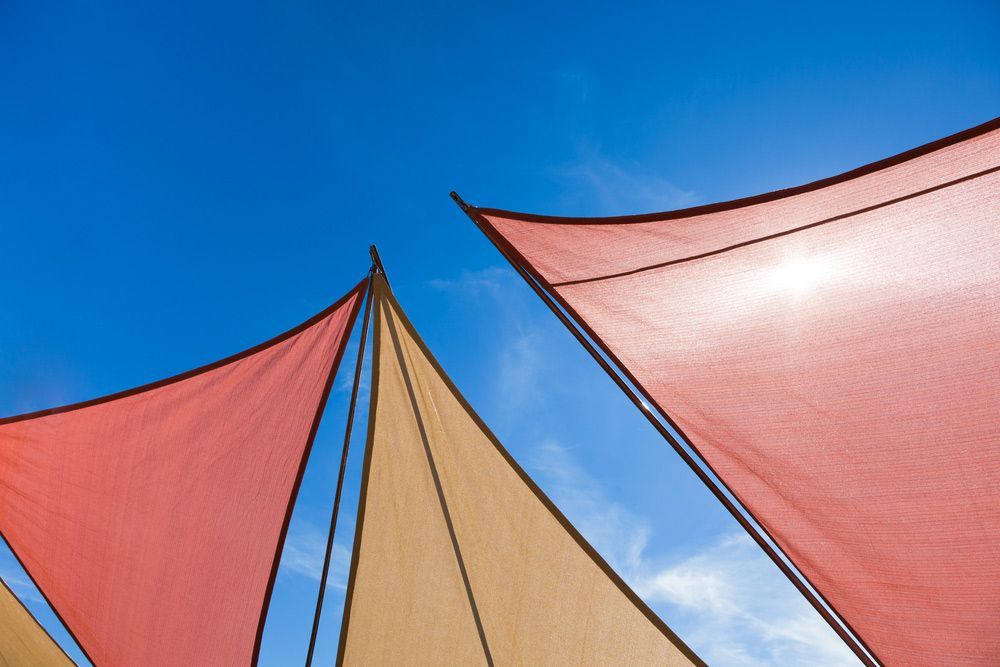
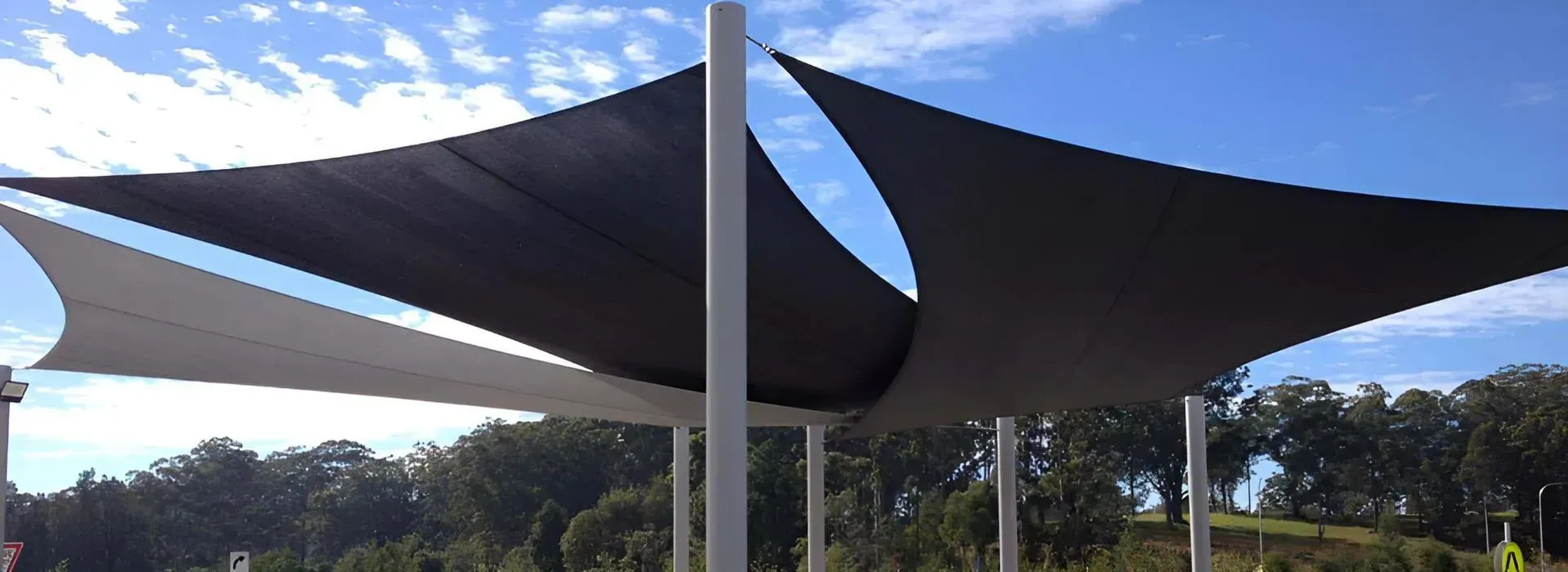
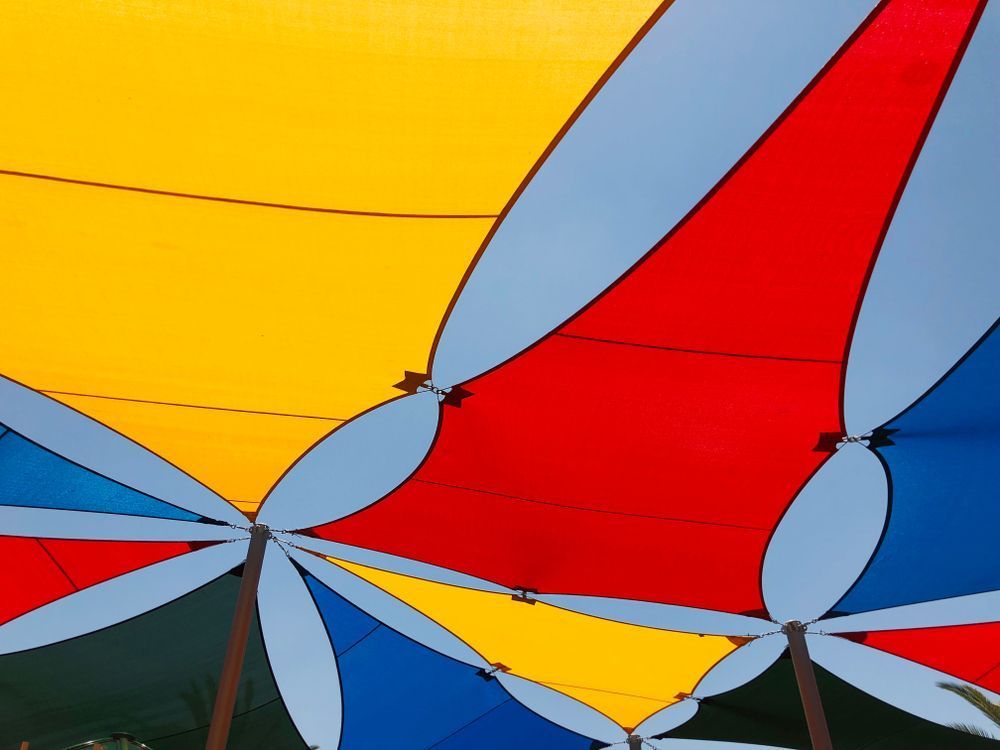
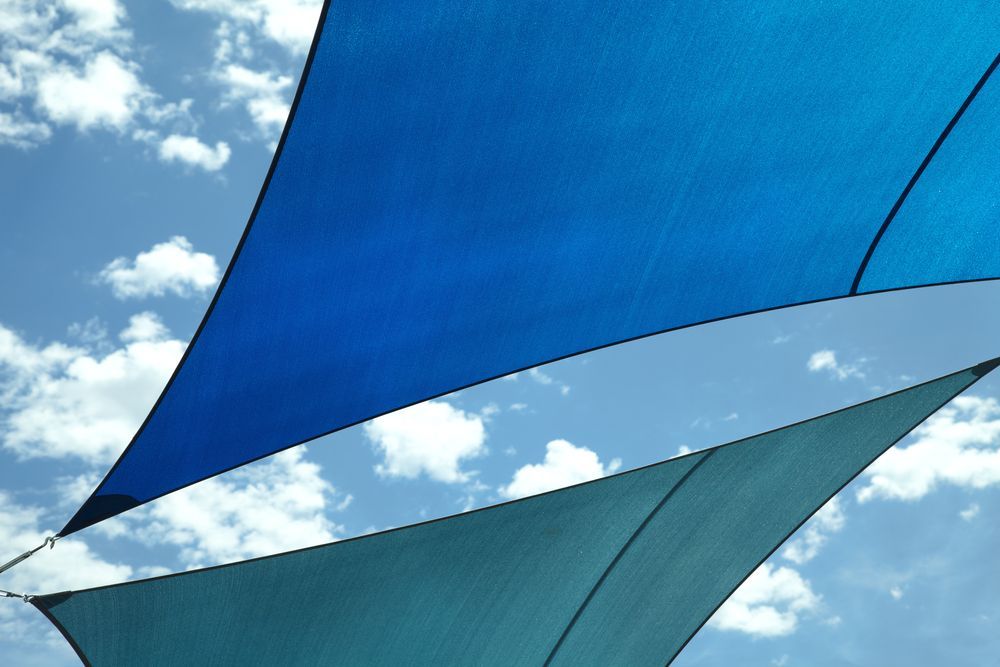
A shade sail uses tensioned fabric stretched between engineered attachment points, which may include posts or suitable existing structures. The shape, tension and positioning of the sail create the finished shade area.
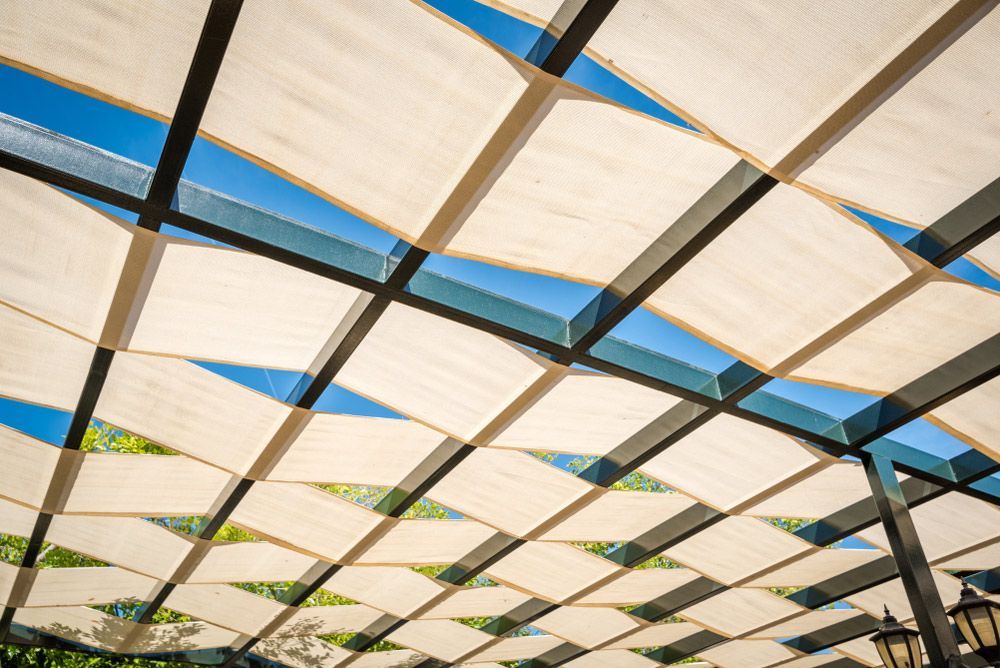
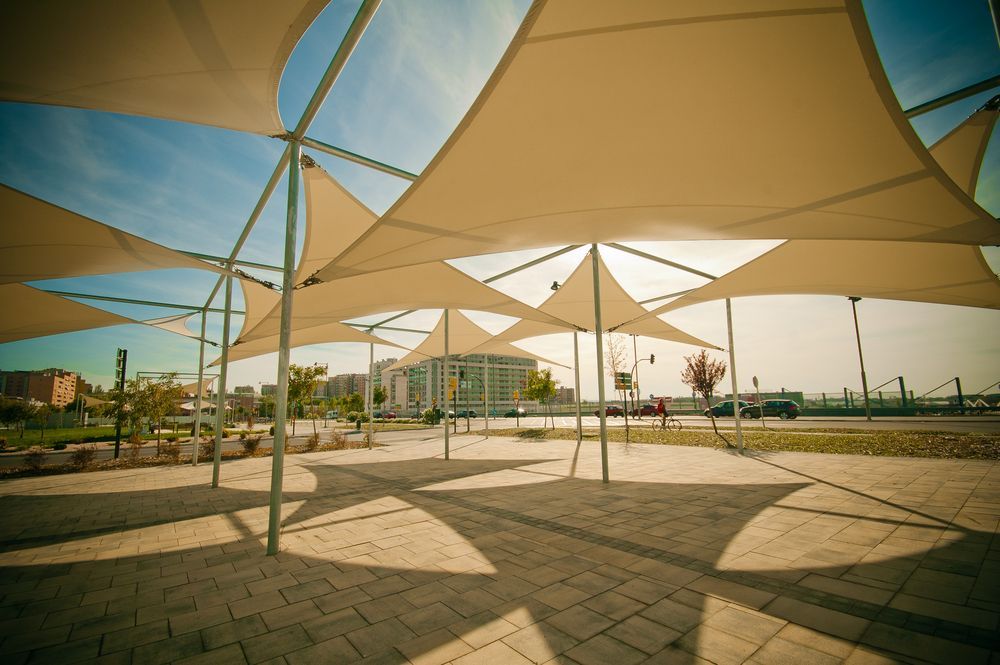
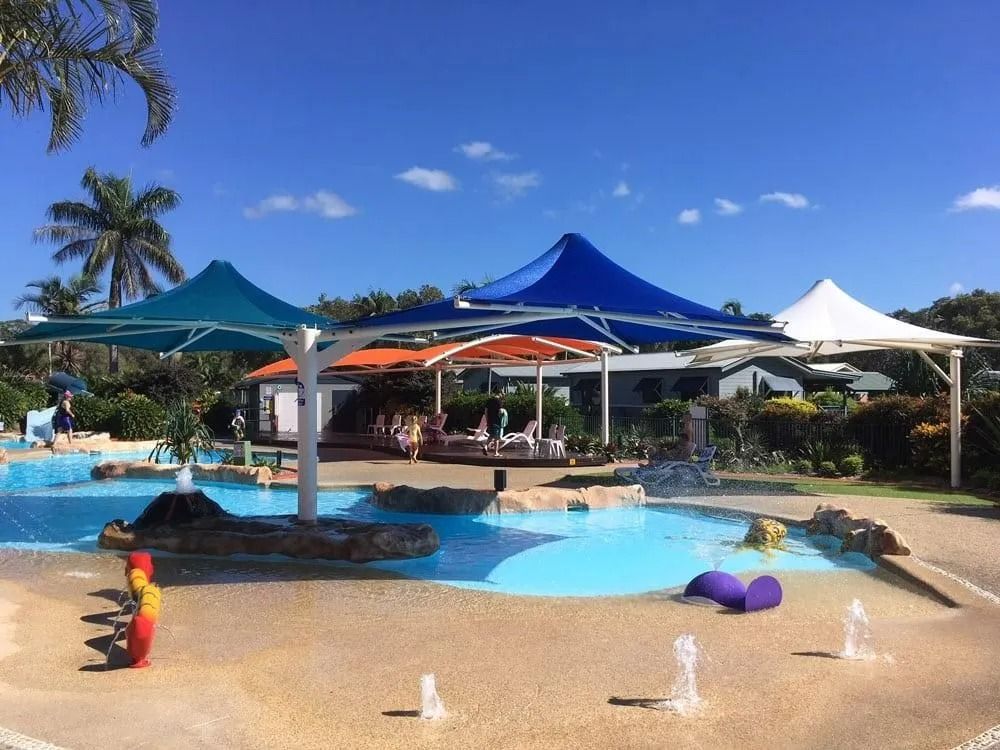
A more substantial shade structure generally uses a purpose-designed structural framework supporting the shade material. This creates a more permanent installation and can provide greater flexibility when covering larger or more complex areas.
Both options need proper planning. Posts, footings, attachment points, fabric selection, drainage considerations and exposure to wind all influence the final design.
For a broader overview of other options such as awnings and outdoor shade systems, see our guide to
comparing different types of shade structures.
Are Shade Sails The More Affordable Option?
Shade sails can often provide a simpler solution for smaller areas because they require less structural framework than a large permanent structure. However, that doesn't mean every sail is automatically the cheaper option.
Cost depends on the area being covered, number and type of posts required, access, footings, fabric, engineering requirements and complexity of the design. A large custom sail requiring substantial new support points can be a very different project from adding a small sail between suitable existing locations.
An engineered shade structure usually involves more structural components and installation work, particularly across large areas. That additional investment can make sense where the structure needs to provide dependable long-term coverage over a playground, carpark, outdoor work area or other heavily used space.
Compare the complete installed solution rather than the price of fabric alone.
How Does Installation Differ Between A Shade Sail And Shade Structure?
Shade sails may look simple once installed, but correct tension and suitable attachment points are critical. Posts and footings need to withstand the forces transferred through the tensioned sail, and the layout needs to create useful shade rather than simply filling an available space.
An engineered structure generally involves more extensive design and construction. The supporting framework, footings and overall dimensions need to work together for the intended site and application.
Installation complexity also increases as the area gets larger. Access, underground services, existing buildings, ground conditions and nearby infrastructure can all influence where supports can be installed.
This is why an on-site assessment is valuable. What appears to be the obvious position for a post may not be practical once the property and intended coverage are properly considered.
Which Handles Wind And Weather Better?
Coffs Harbour's coastal conditions make wind and weather exposure an important part of choosing outdoor shade.
Rather than assuming one product has a universal wind rating, the installation needs to be considered as a complete system. Fabric, structural supports, fixings, footings, dimensions and site exposure all contribute to how the finished installation performs.
A correctly designed tensioned shade sail can provide effective shade in suitable locations, but it still needs appropriate supports and tension. Larger permanent structures can be engineered around more demanding applications where long-term structural performance is particularly important.
Shade should also be designed around the sun, not only the footprint directly underneath it. The sun changes position throughout the day and across the seasons, so the location, height and angle of the shade can affect how useful the coverage actually is.
For commercial and high-use sites, these considerations often carry more weight than simply choosing the option that looks best in a photograph.
Do Shade Sails And Shade Structures Need Council Approval?
Approval requirements can depend on the size, height, location and design of the proposed structure, along with the property and applicable planning requirements.
That means you shouldn't assume a shade sail is automatically exempt from approval simply because it uses fabric, or that every permanent shade structure requires exactly the same approval process.
For a proposed installation in Coffs Harbour, check the requirements that apply to the specific property and project before work begins. Larger commercial installations may also involve engineering and documentation requirements beyond those associated with a straightforward residential project.
Discussing the intended installation with an experienced shade provider early can help establish what needs to be investigated before the design is finalised.
Which Is Better For Residential Patios And Outdoor Areas?
For many residential applications, a shade sail provides an effective balance of coverage, appearance and flexibility.
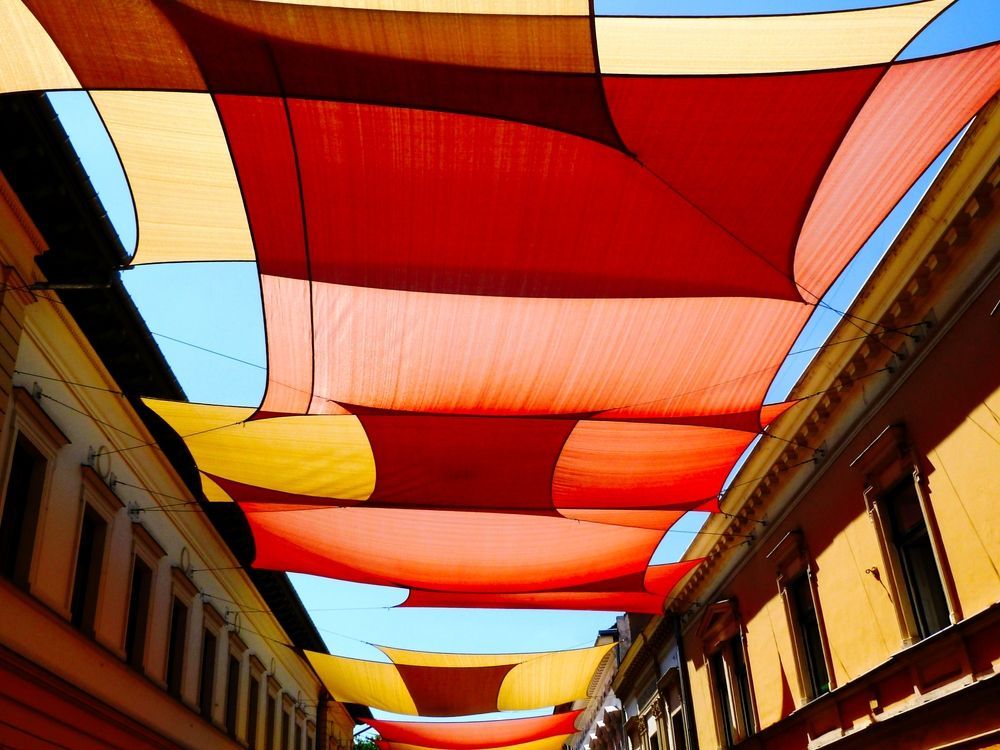
Sails can work well over pools, patios, play areas and sections of the backyard where homeowners want shade without creating the visual weight of a full framed structure. Different shapes, heights and angles can also make the sail an architectural feature rather than simply a functional cover.
A permanent structure may be preferable if the area is used heavily throughout the year, requires broader coverage or forms a major part of the home's outdoor entertaining space.
Example: A Coffs Harbour homeowner wanting shade over part of a pool area may find that a tensioned sail provides the coverage they need while keeping the space visually open. A large shared outdoor entertaining area that is used frequently may justify a more substantial structure designed around permanent, predictable coverage.
The right answer depends on how you use the space, not simply whether it is residential.
What About Playgrounds, Carparks And Commercial Spaces?
Larger commercial applications usually involve additional considerations, including the size of the area, number of people using it, vehicle clearance, durability and site-specific structural requirements.
Schools, childcare centres, playgrounds and other community spaces may need broad coverage over high-use areas. Carparks require suitable clearance and a design that works around vehicle movements, while commercial outdoor areas may need shade integrated with existing buildings and access routes.
For these projects, a purpose-designed structure can offer the scale and permanence required. Commercial shade structures Coffs Harbour properties use should be designed around the specific site rather than treated as an enlarged version of a small backyard sail.
A professional assessment can also consider where the shade will fall at the times the area is most heavily used.
Which Is Better: Shade Sails Or Shade Structures?
If you're weighing up shade sails vs shade structures, start with the application.
A shade sail may suit a residential pool, patio or smaller outdoor area where flexible coverage and a lighter visual appearance are priorities. An engineered structure may make more sense for a larger, high-use or commercial space where permanence and substantial coverage are more important.
Budget matters, but it shouldn't be the only consideration. Think about the expected lifespan of the installation, exposure to local conditions, area requiring shade and whether future maintenance or replacement can be carried out easily.
Jon Wilson Canvas & Shade designs and installs both shade sails and shade structures Coffs Harbour property owners and managers can consider for their space. Having both options available means the recommendation can start with the site rather than trying to make one type of product suit every project.
If you're still deciding between a sail and a permanent structure, get a free quote from the Jon Wilson Canvas & Shade team. They can assess the area and recommend an approach based on the coverage, application and site conditions.
Frequently Asked Questions
Which Is Better, Shade Sails or Shade Structures?
Neither is better for every property. Shade sails can be ideal for flexible residential shade, while more substantial structures are often suited to larger, permanent and commercial applications.
Are Shade Sails Considered Permanent Structures?
That depends on the design and how the installation is classified under the requirements applying to the property. A tensioned fabric sail may appear less substantial than a framed structure, but its posts, footings and attachment points still require proper design and installation.
Are Engineered Shade Structures Better for Commercial Properties?
They can be particularly well suited to larger or heavily used commercial spaces where broad, permanent coverage is required. The right solution still depends on the site, intended use and structural requirements.
Can a Shade Sail Cover a Carpark?
Shade sails and purpose-designed shade systems can be used for vehicle areas, but clearance, span, supports, wind exposure and vehicle movements all need consideration. Larger carparks generally require a solution designed specifically for that application.
Do I Need Council Approval for a Shade Sail in Coffs Harbour?
Approval requirements vary according to the project and property. Check the current requirements for your proposed installation rather than assuming all shade sails are exempt.
How Do I Choose the Right Shade Solution for My Property?
Start with the size of the area, when you need shade, how the space is used, local exposure and your preference for a lighter or more permanent installation. A site assessment can then determine which design is practical for those requirements.