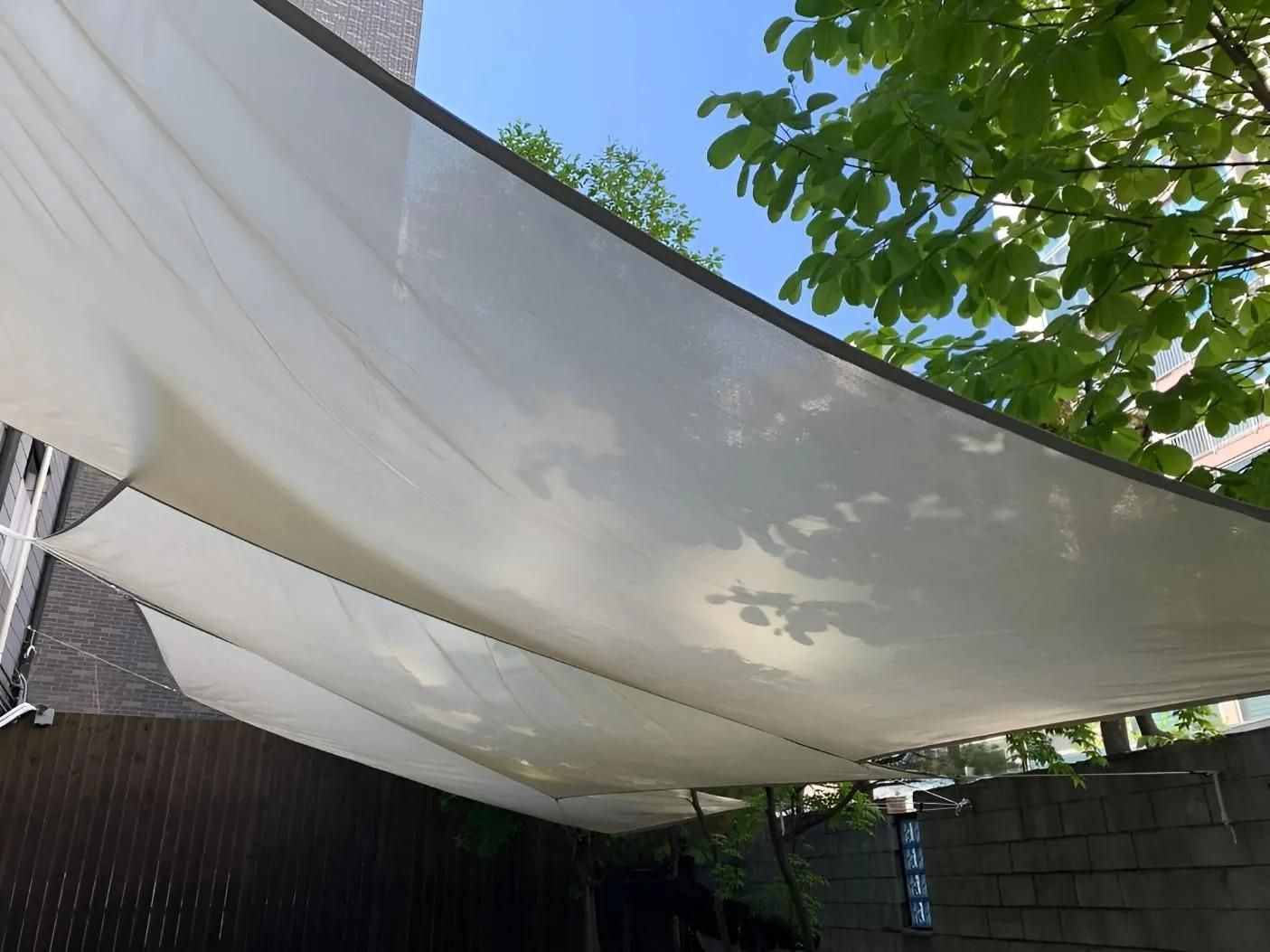
Shade Sail Carport Vs Traditional Carport: Cost, Protection And Lifespan Compared
For homeowners comparing vehicle cover, shade sails for carports are generally a lighter, lower-cost alternative to a traditional hard-roof carport. They provide excellent sun and UV protection and can offer rain shelter when correctly designed. However, a solid roof remains the stronger choice when maximum rain and hail protection is the priority.
Having made and installed
shade sails in Coffs Harbour for more than 30 years, Jon Wilson Canvas & Shade regularly helps homeowners decide which option makes sense for their driveway, budget and protection needs.
Are Shade Sails Good for Carports?
If you're asking are shade sails good for carports, the short answer is yes, provided the sail is properly designed for the site. A professionally designed carport shade sail can provide effective protection from direct sun and UV exposure while creating a cooler, more open parking area.
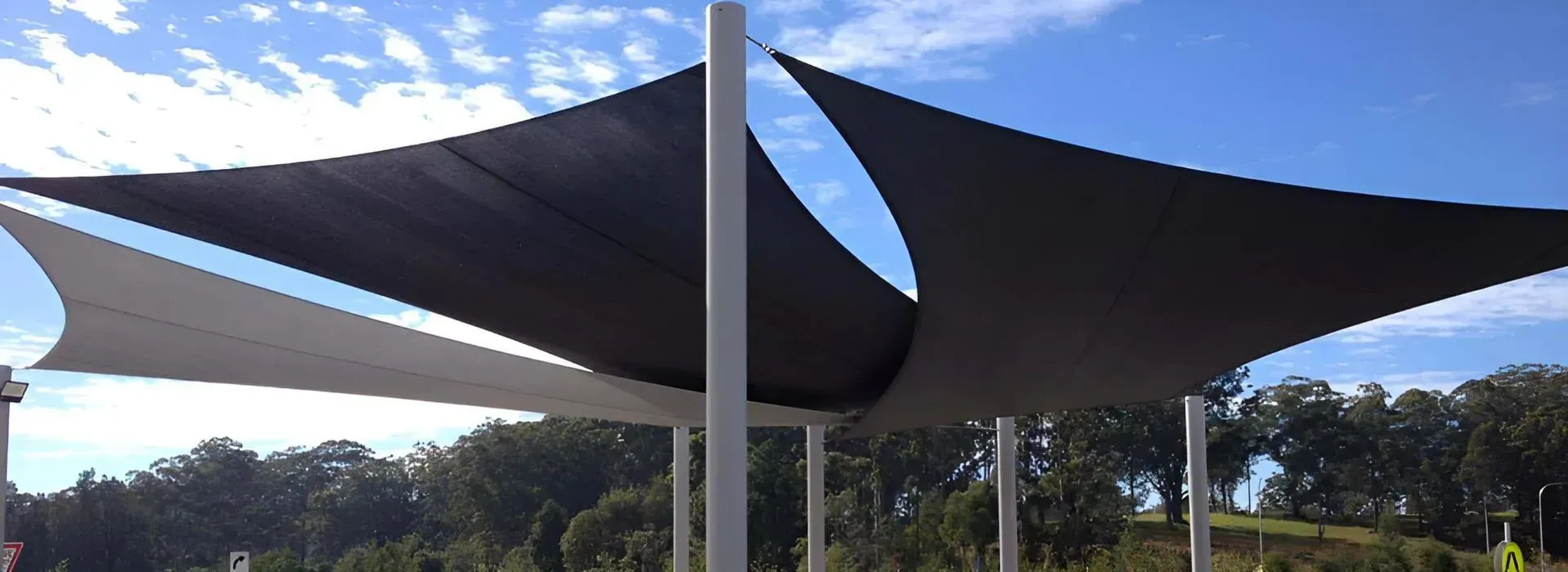
Shade sails also offer considerable design flexibility. Rather than fitting a standard rectangular structure onto an awkward driveway, a custom sail can be designed around the available space and suitable fixing points.
The important word is designed. A carport sail needs correctly positioned posts or anchor points, appropriate tension and enough fall between fixing points for rainwater to run off rather than pool on the fabric.
Material choice also matters. Breathable shade cloth primarily provides sun protection, while suitable waterproof fabrics can provide greater rain coverage.
How Does a Shade Sail Carport Compare With a Traditional Carport?
The fundamental difference is the roof. A traditional carport uses rigid roofing supported by a structural frame, while a shade sail carport uses tensioned fabric secured between strong fixing points.
A shade sail usually creates a lighter, more open structure with excellent airflow and considerable flexibility in its shape and positioning. It can also involve less structural material than a conventional carport, which is one reason it can be a more affordable option.
A traditional carport provides a solid overhead barrier. That makes it the stronger option for homeowners who prioritise comprehensive rain and hail protection. Rigid roofing will also generally have a longer service life than fabric when correctly installed and maintained.
Neither option wins every category. Whether you're comparing carports in Coffs Harbour, carports in Port Macquarie or vehicle cover elsewhere on the Mid North Coast, the right choice depends on the weather protection you need, your site, your preferred appearance and your budget.
How Much Does a Shade Sail Carport Cost?
There is no reliable one-size-fits-all shade sail carport cost. The final price depends on the size and shape of the sail, fabric, posts, footings, fixing points, engineering requirements and installation conditions.
For example, a single driveway shade sail that can use suitable existing attachment points may cost considerably less to install than a large freestanding structure requiring several new posts and substantial footings.
The main factors affecting price include:
- Sail size and shape
- Fabric type
- Number of posts and anchor points
- Footing and ground conditions
- Engineering requirements
- Installation height and site access.
For a more detailed explanation of these variables, read
How Much Do Shade Sails Cost In Coffs Harbour?.
How much does a carport cost compared with a shade sail?
If you're researching "how much does a carport cost", keep in mind that traditional carport prices vary significantly. A basic prefabricated kit sits at a very different price point from a custom-built steel carport requiring professional installation, footings and approvals.
That makes it important to compare complete installed costs. Posts, foundations, structural work, labour, engineering and approval requirements can all change the final price.
A custom car shade sail will not automatically be the cheapest option on every site. However, it can provide a lower-cost solution than a comparable custom hard-roof structure because it uses a tensioned fabric roof rather than extensive rigid framing and roofing.
Which Carport Provides Better Weather Protection?
A traditional hard-roof carport provides more comprehensive weather protection. If your main concern is maximum protection from heavy rain or hail, a suitable solid roof has the advantage.
Carport shade sails perform particularly well as a sun and UV solution. Their open design can also maintain good airflow around the vehicle rather than creating a heavily enclosed overhead space.
Rain protection depends on the material and, importantly, the way the sail is designed. The sail needs sufficient pitch between fixing points so water drains away rather than pooling.
Does a carport shade sail protect against hail?
Shade cloth should not be treated as equivalent to sheet-metal roofing for hail protection. While a sail creates a barrier above the vehicle, homeowners seeking substantial hail protection should discuss that requirement before selecting a fabric system.
This is one of the key trade-offs to consider. A shade sail can provide excellent vehicle cover without performing exactly like a solid roof.
What Is the Disadvantage of a Shade Sail Carport?
For homeowners asking what is the disadvantage of a shade sail, the main limitation is that fabric cannot provide the same solid weather barrier as conventional roofing. The sail also depends heavily on correct tension, fall and structural support.
Other considerations include:
- Fabric eventually needs replacing
- Fittings and tension require periodic inspection
- Poor fall can allow water to pool
- Wind places significant loads on fixing points
- Shade cloth offers less hail protection than solid roofing.
These considerations become particularly important in coastal environments. Salt air, strong UV and wind exposure can affect fabric, fittings and structural components, so material quality and correct installation matter.
How Long Do Shade Sails for Carports Last?
A quality carport shade sail can typically provide around 10–15 years of service when properly designed, installed and maintained. Jon Wilson Canvas & Shade backs its carport shade sails with a 10-year warranty.
Actual lifespan depends on fabric quality, UV exposure, wind, salt exposure, tension and maintenance. Coastal conditions make those factors particularly relevant.
For more detail, see our guide to how long shade sails last.
A traditional steel or hard-roof carport will generally have a longer structural lifespan than fabric when correctly built and maintained. However, with a shade structure, replacing an ageing sail does not necessarily mean replacing the posts and entire supporting structure.
Which Carport Offers Better Value Over Its Lifespan?
Rather than comparing purchase prices alone, consider the cost per year of useful service and the protection you actually need.
For example, imagine a homeowner who mainly wants to keep harsh sun off a vehicle parked on an open driveway. They value airflow and do not want a bulky structure dominating the front of the house. A custom shade sail could provide the protection they need without the expense of a full hard-roof carport.
Now consider a homeowner whose priority is protecting a vehicle from severe hail. Even if it costs more upfront, a traditional carport may offer better long-term value because a rigid roof better matches that requirement.
That is why the cheapest quote is not automatically the best-value option.
Should You Choose a Shade Sail or Traditional Carport?
Choose shade sails for carports if your priorities are sun protection, airflow, design flexibility, a lighter appearance and generally lower upfront structural costs. Consider a traditional hard-roof carport if maximum rain and hail protection or a longer-lasting rigid roof is more important.
Before deciding, ask:
1. What weather protection does the vehicle actually need?
2. Will the site require new posts and footings?
3. How exposed is the driveway to wind and coastal conditions?
4. Do you need shade cloth or waterproof fabric?
5. What is included in the complete installed price?
6. What maintenance or replacement costs should you expect?
The key takeaway is that a shade sail carport is not simply a cheaper version of a traditional carport. It is a different vehicle-cover system, with real advantages in sun protection, airflow, appearance and flexibility, balanced against less hail protection and a shorter roof-material lifespan.
Get in Touch
Jon Wilson Canvas & Shade designs, manufactures and installs custom carport shade sails and structures in-house. If you're comparing options for your property, contact our team for a free measure and quote and we can assess your driveway, fixing points and protection requirements before recommending a suitable design.
Frequently Asked Questions
Are shade sails good for carports?
Yes. Properly designed carport shade sails provide excellent sun and UV protection while maintaining good airflow. Rain performance depends on the fabric, pitch and installation, while hail protection is more limited than a solid roof.
How much do carport shade sails cost?
The shade sail carport cost depends on sail size, fabric, posts, footings, fixing points, engineering and site access. A site-specific quote provides a much more useful comparison than relying on a generic square-metre price.
What is the disadvantage of a shade sail?
The main disadvantage is that fabric does not provide the same all-weather protection as rigid roofing. Shade sails also require correct tension and fall, and the fabric will eventually need replacing.
How long do carport shade sails last?
A quality carport sail can typically last around 10–15 years when properly installed and maintained, although UV, wind, salt exposure and fabric quality influence its lifespan.
Are shade sails cheaper than traditional carports?
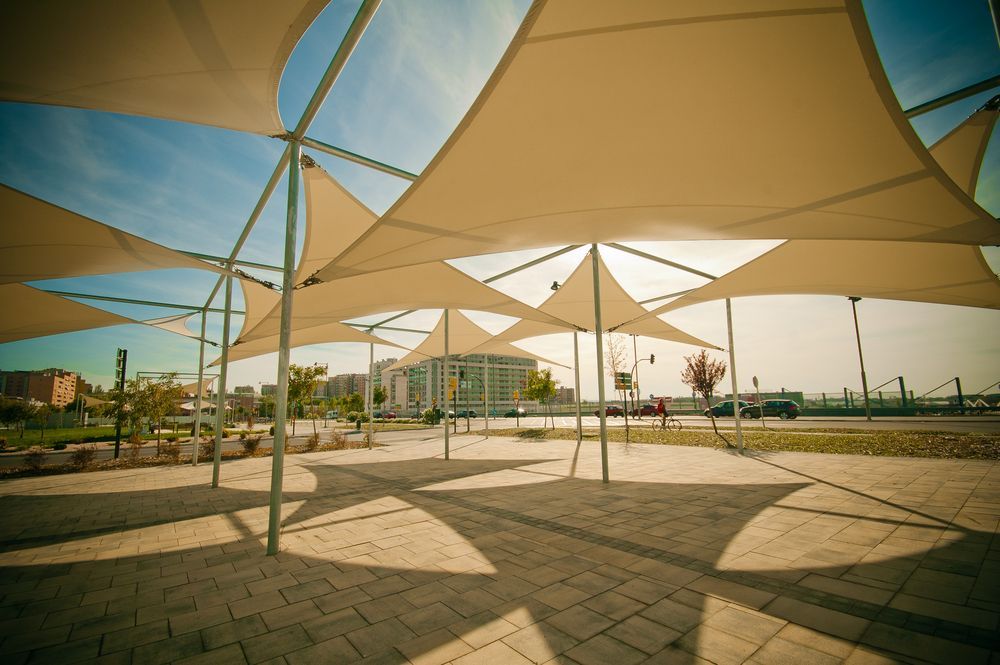
They are generally a lower-cost option than a comparable custom hard-roof structure, but this depends on the site. New posts, substantial footings, large spans and engineering requirements can increase the installed cost.