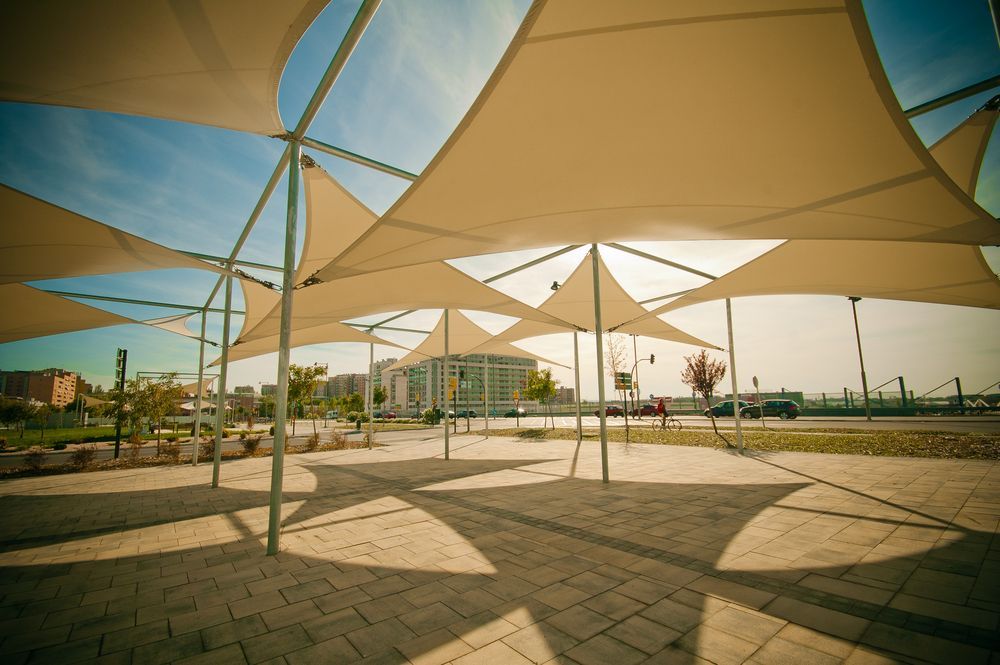
How Much Do Shade Sails Cost In Coffs Harbour?
When homeowners start researching shade sails in Coffs Harbour, the first question is almost always the same: how much should I actually expect to pay? The answer is not a single figure, because shade sail pricing depends on a mix of site conditions, design choices and installation requirements. What matters more is understanding what drives the cost and how the process works from the first enquiry through to installation, so you can budget with confidence and avoid surprises.
This guide breaks down typical pricing considerations, what’s included in a quote and how professional shade sail installation is approached from start to finish.
Typical Shade Sail Price Ranges
Shade sail pricing can vary significantly depending on size, material and structural requirements. While every project is different, most residential installations fall within a general range that helps set expectations.
For most standard setups, pricing is influenced by:
- Small single-sail installations starting from lower-cost entry points for simple coverage areas
- Medium residential projects involving multiple anchor points and moderate fabric spans
- Larger or more complex installations requiring engineering, multiple sails or structural posts

These figures usually include supply and installation, but not all quotes are structured the same way. Some suppliers itemise fabrication and installation separately, while others provide a combined project cost.
It’s also important to understand that shade sail cost is not just about size. Two sails of similar dimensions can differ in price depending on fabric grade, wind load requirements and fixing complexity.
Key Factors That Influence Pricing
No two installations are identical, and this is where most of the variation in cost comes from. A professional assessment will always account for site-specific conditions before providing a final figure.
The main cost drivers include:
- Overall sail size and shape complexity
- Fabric type and UV rating selected for durability and performance
- Number and type of anchor points required
- Whether existing structures can be used or new posts are needed
- Ground conditions and engineering requirements for footings
- Height and access considerations during installation

Sites that require additional structural work or custom engineering will naturally sit at a higher price point than straightforward installations. This is why an on-site inspection is a critical part of accurate quoting.
What’s Included in a Shade Sail Quote
A proper shade sail quote in Coffs Harbour should be more than just a number on a page. It should clearly outline what is being supplied, what work is included and how the installation will be carried out.
A detailed quote generally includes:
- On-site measure and assessment
- Design and layout planning for optimal shade coverage
- Fabrication of custom shade sails
- Hardware and fixing components
- Installation labour and equipment
- Basic site preparation and clean-up
Some projects also include engineering certification where required, particularly for larger sails or exposed locations. Clear quoting helps ensure there are no hidden costs later in the process and allows homeowners to compare providers on a like-for-like basis.
Custom Design and Fabrication Considerations
Most residential projects today involve custom shade sails rather than off-the-shelf solutions. This allows the sail to be designed specifically for the space, sun angles and intended use.
Customisation impacts cost in several ways:
- Non-standard shapes require more detailed cutting and fabrication work
- Tensioned designs may require additional reinforcement points
- Colour choice generally has minimal impact on cost but may influence fabric availability
- Multiple sail configurations increase design and installation complexity
Custom fabrication also ensures better fit and tension, which contributes to long-term performance. Many homeowners also choose custom designs to maximise coverage without obstructing airflow or natural light more than necessary.
The Installation Process From Start to Finish
Understanding how shade sail installation in Coffs Harbour works can help set expectations around timelines and disruption. While each project differs slightly, the process generally follows a clear sequence.
Typical stages include:
- Initial enquiry and discussion about coverage needs
- On-site measure and structural assessment
- Design proposal and quotation preparation
- Confirmation and scheduling of manufacture
- Fabrication of sails to specification
- Installation of posts or anchor points if required
- Final installation, tensioning and inspection

Installation itself is usually completed within a short timeframe once materials are ready. The preparation and fabrication stage is often what takes the longest, as sails are made to order rather than pre-produced.
Manufacture and Lead Times
Lead time is an important part of planning a shade sail project, especially during peak seasons when demand is higher.
Typical timeframes include:
- Measure and quote: usually scheduled promptly after enquiry
- Manufacturing: commonly takes several weeks depending on workload and complexity
- Installation scheduling: arranged once fabrication is complete and site is ready
Custom projects require careful fabrication to ensure accurate fit and correct tensioning points. This stage cannot be rushed without compromising quality or structural performance.
Homeowners planning ahead often benefit from starting the process early, particularly if the installation is intended for a specific season or event period.
Installation Time and On-Site Work
Once the sail has been manufactured, installation is generally efficient and straightforward when site conditions are prepared.
On-site work may involve:
- Setting or confirming structural posts
- Installing fixing points to existing structures where suitable
- Lifting and tensioning the sail into position
- Final adjustments to ensure correct fall and water run-off

Most residential installations are completed within a short timeframe, although more complex setups with multiple sails or new structural posts may take longer.
Weather conditions can also influence scheduling, particularly when precise tensioning is required for optimal performance.
Longevity, Maintenance and Ongoing Value
While pricing is an important factor, long-term performance also plays a role in overall value. A properly installed shade sail should maintain structural integrity and appearance when correctly specified and maintained.
Ongoing considerations include:
- Periodic inspection of tension and fixings
- Cleaning to remove debris and environmental buildup
- Checking anchor points after severe weather events
- Ensuring fabric remains correctly tensioned over time

Quality installation and correct engineering reduce the likelihood of premature wear and help ensure the system performs as intended across its lifespan.
Final Cost Perspective
When considering shade sails in Coffs Harbour, the most accurate approach is to think beyond a single price and focus on what influences the overall project cost. Size, structure, fabrication method and installation complexity all play a role, and a tailored assessment is the only reliable way to determine a final figure.
A well-prepared quote should clearly explain what is included, how the system will be installed and what factors are driving the cost, allowing homeowners to make informed comparisons between providers.
Talk to Our Shade Sail Specialists
We at Jon Wilson Canvas & Shade work with homeowners across the Coffs Harbour region to provide clear, practical advice and accurate pricing for shade sail projects of all sizes. From initial measure and quote through to fabrication and installation, we focus on a straightforward process that helps you understand exactly what’s involved before work begins.
If you’re planning a new installation or comparing options for shade sails in Coffs Harbour, get in touch with our team to arrange a shade sail quote. We serve clients across Coffs Harbour and surrounds, including Sawtell and Woolgoolga.